Since the earliest years of Fundo La Pampita — and the 2013 photographs prove it — dairy cows and hens have been part of the everyday landscape. Not as a large-scale production project, but as something that naturally belongs to life on a Patagonian farm. They were there as the Fundo grew, as the first windbreak corridors were planted, as the hives were installed and the production of Productos La Baguala was organized. Always in the background of the paddock, always part of the daily rhythm.
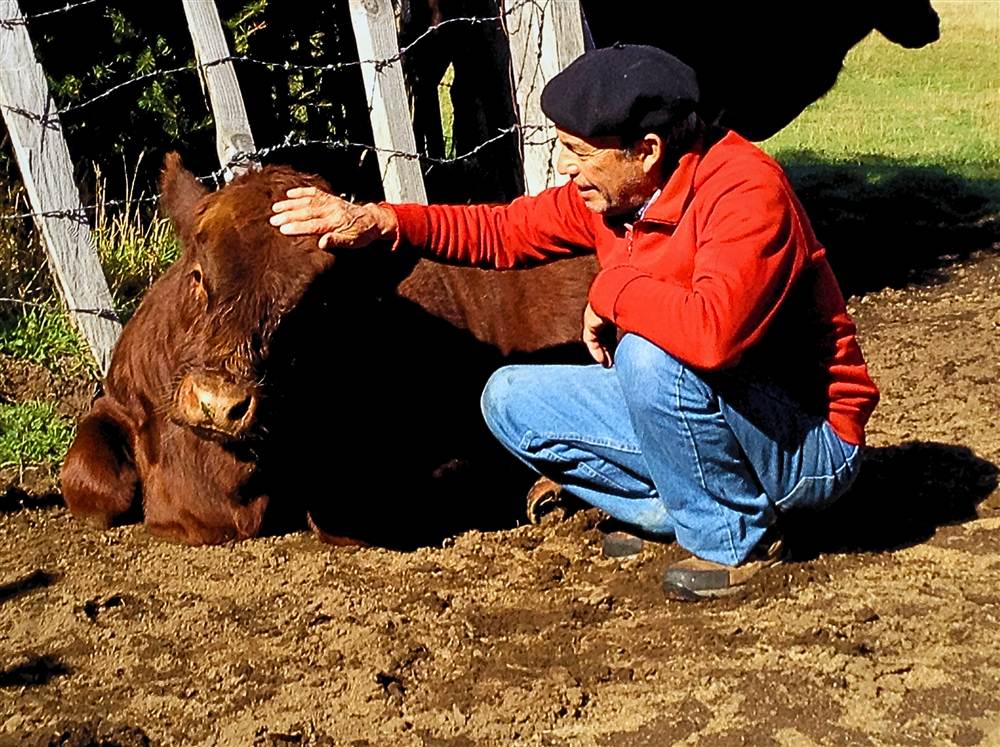
The animals of Fundo La Pampita, present in the family's everyday life.
The milk doesn't go anywhere far: it's transformed in the Fundo's own kitchen. Ricotta, lavin, milk desserts, homemade yoghurt. Eggs from the hens that roam freely around the property arrive fresh straight to the table. It's a short, concrete chain — the animal, the hand that cares for it, and the kitchen where everything is transformed — with no intermediaries and no distance. A small production that's enough for the family and that keeps alive the habit of knowing where what you eat comes from.
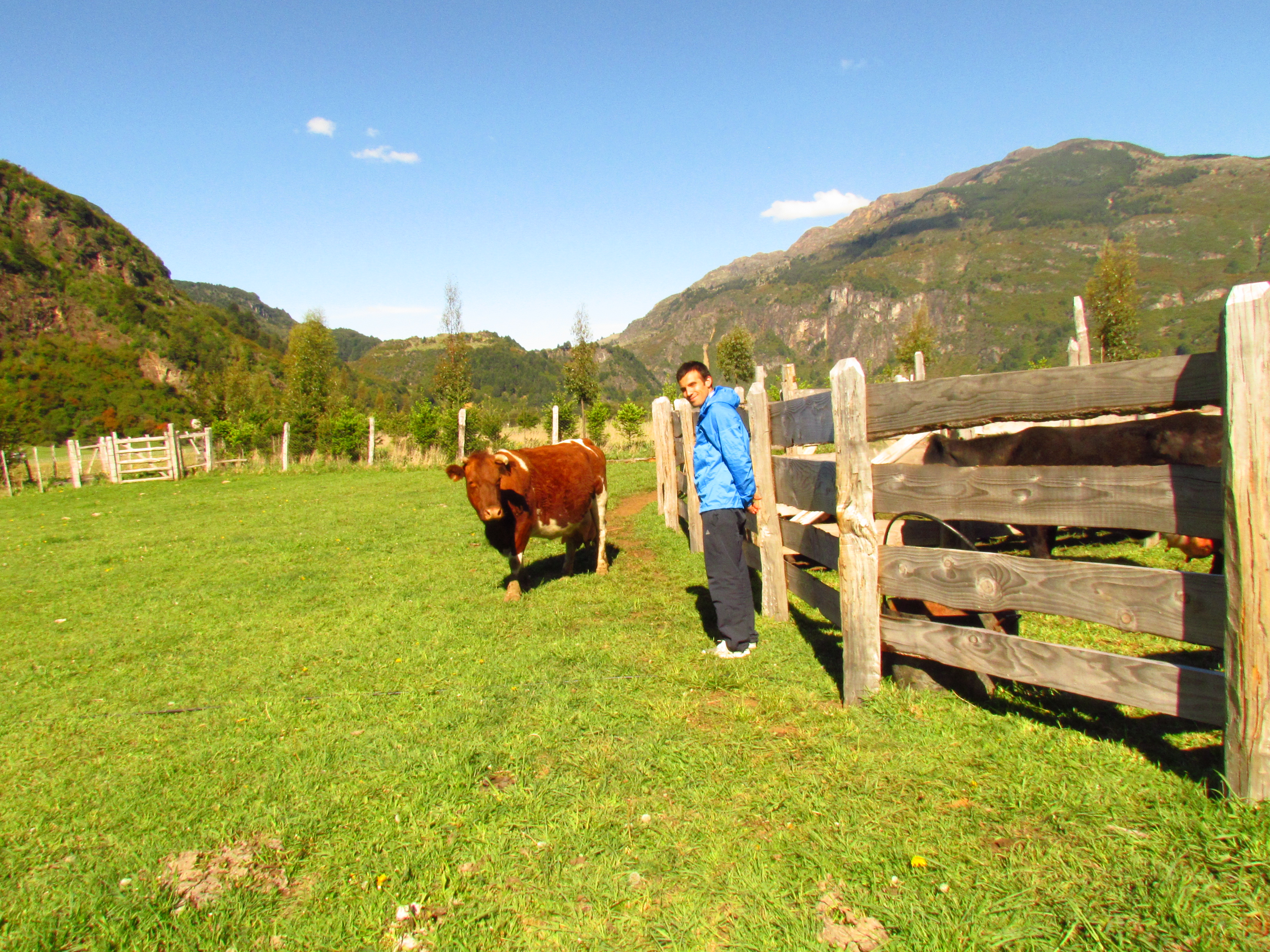
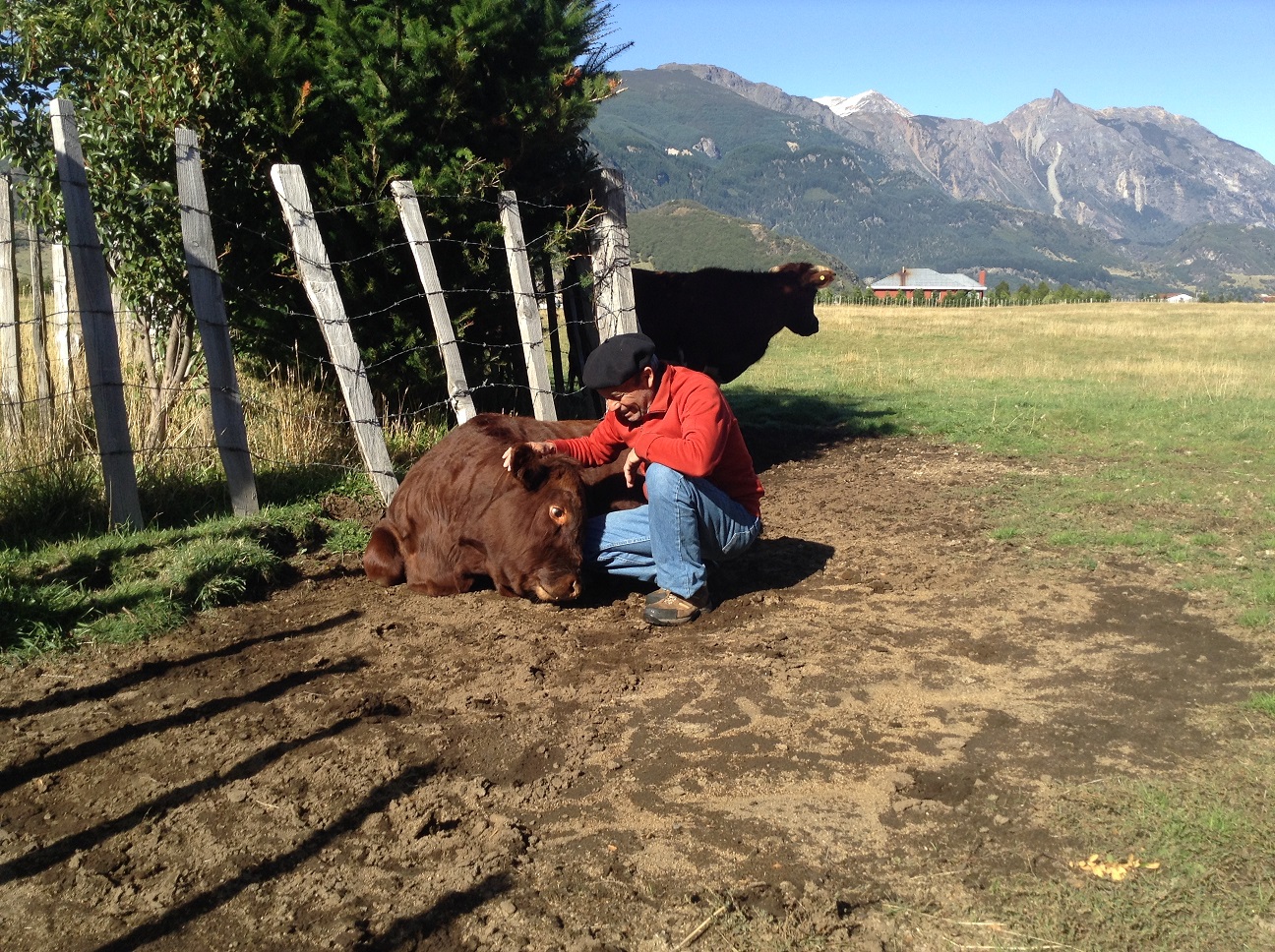
Dairy cows and livestock at Fundo La Pampita, 2013.
Keeping animals on the farm is a tradition learned by doing and passed down from generation to generation. The day's eggs, the morning's milk, the yoghurt made at home — small things that shape a way of living. Fundo La Pampita has grown with a system that integrates animals, pasture and native forest, all planned to produce with purpose in Patagonia. At Fundo La Pampita we still believe it's worth sustaining that way of living.
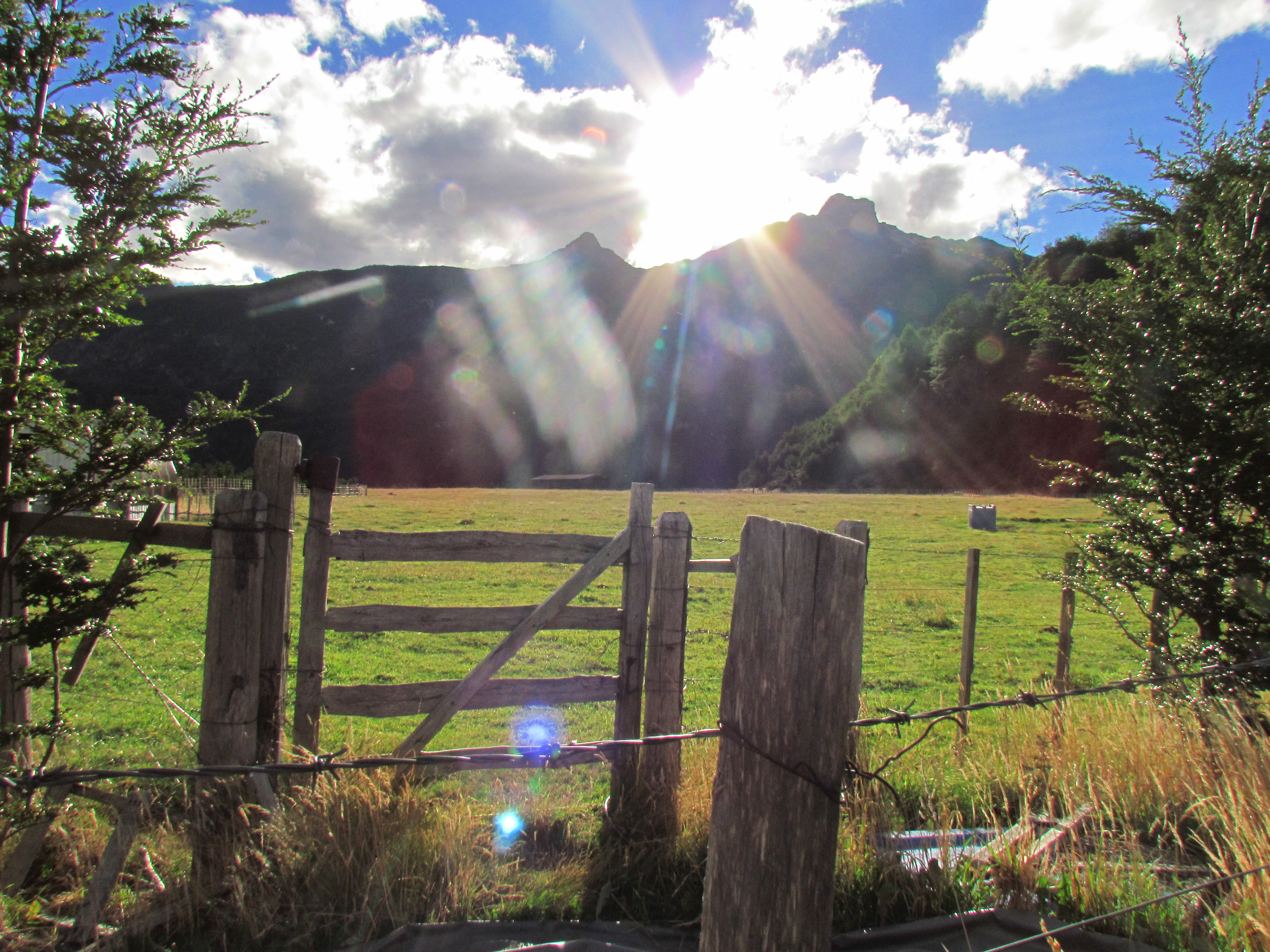
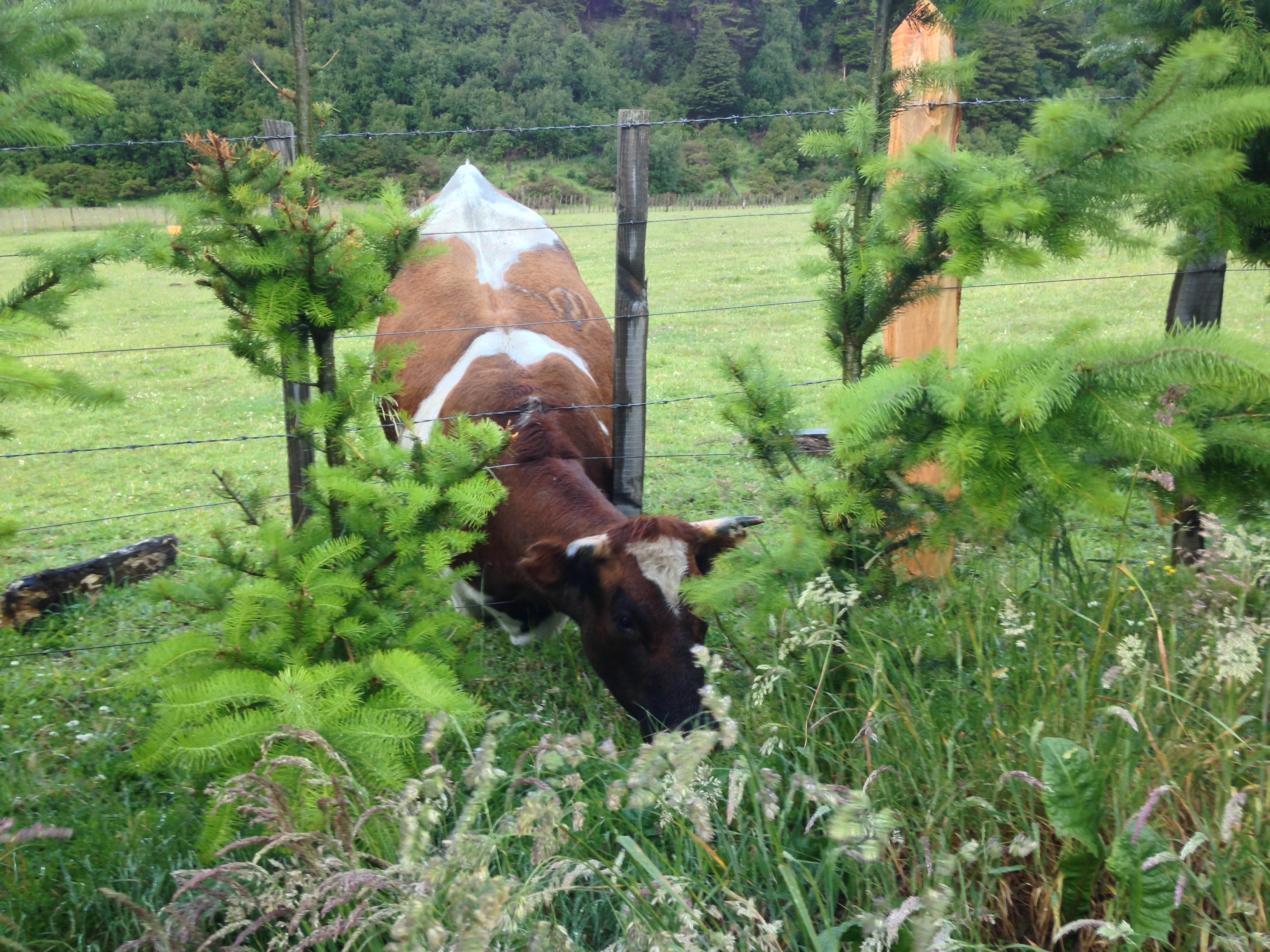
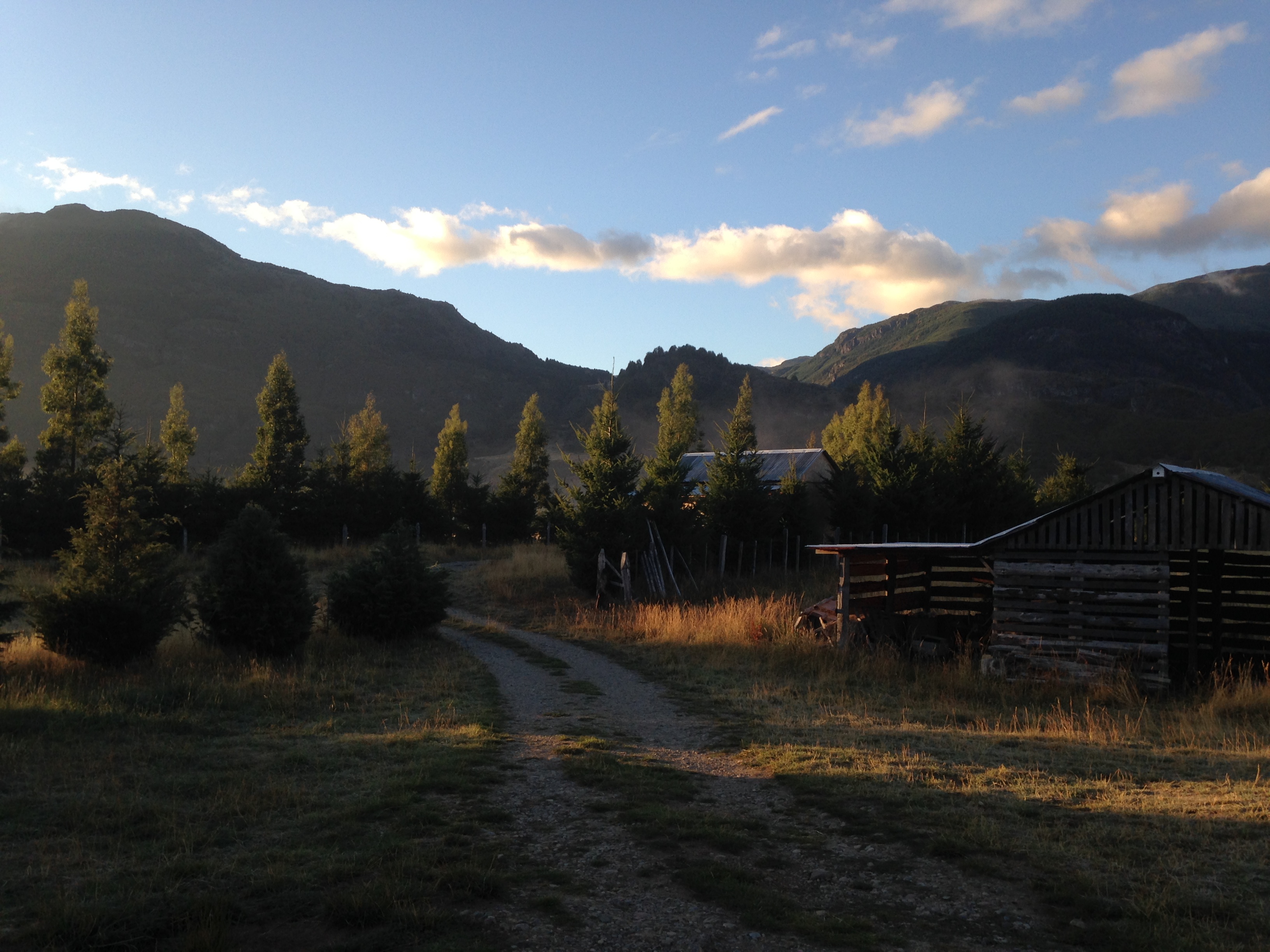
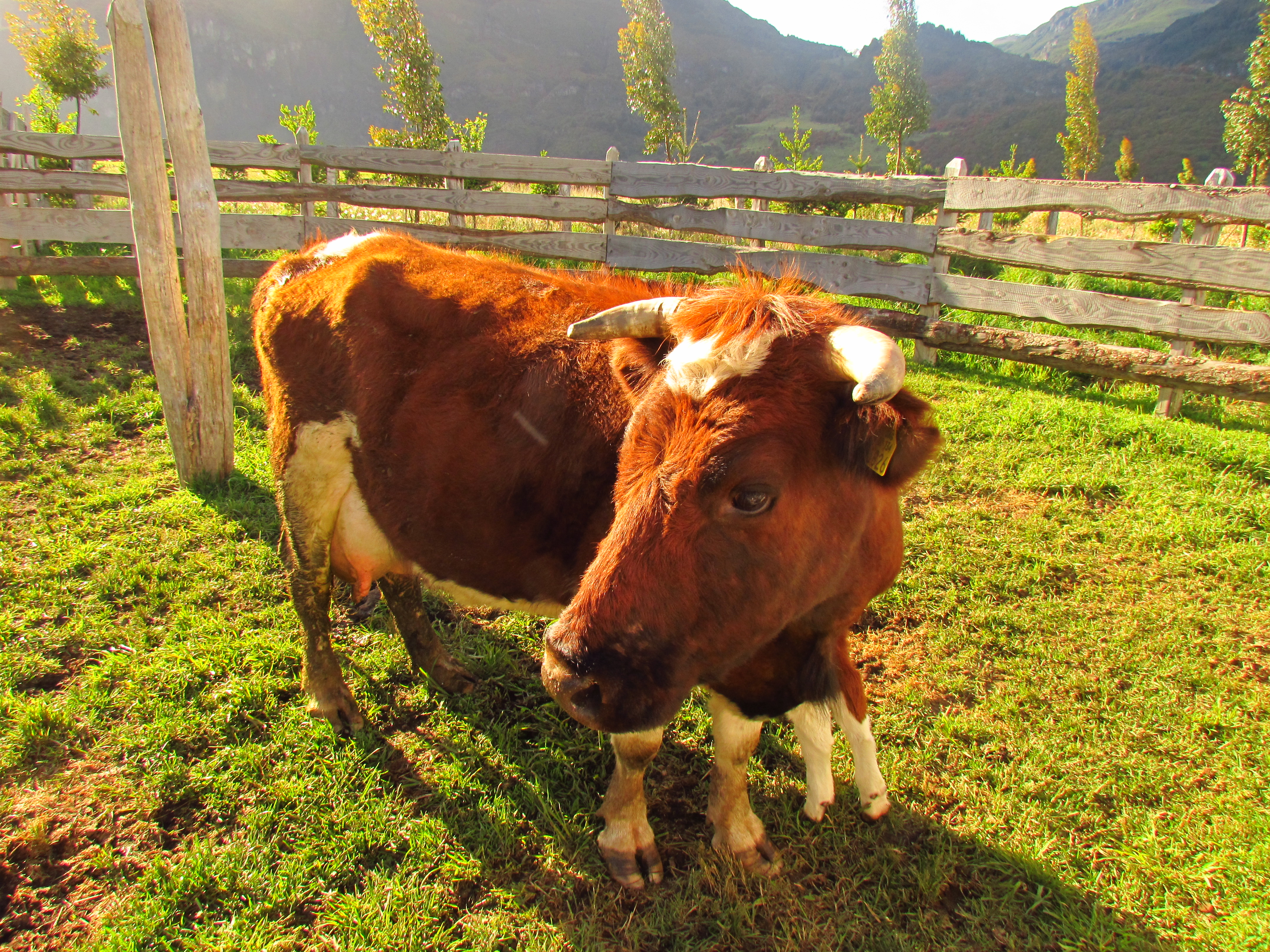
Fundo La Pampita over the years: pine and coigüe corridors, pastures and livestock.
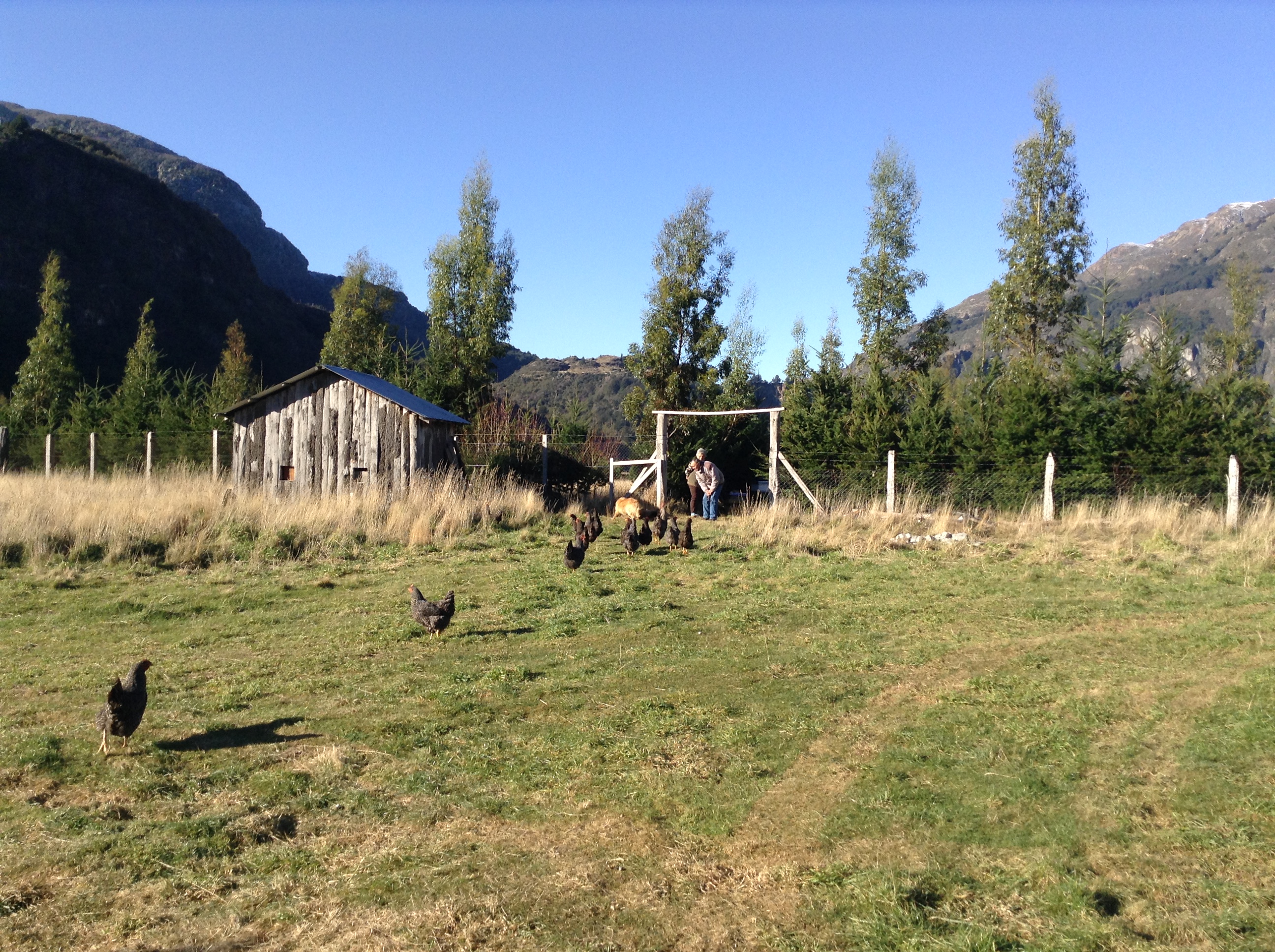
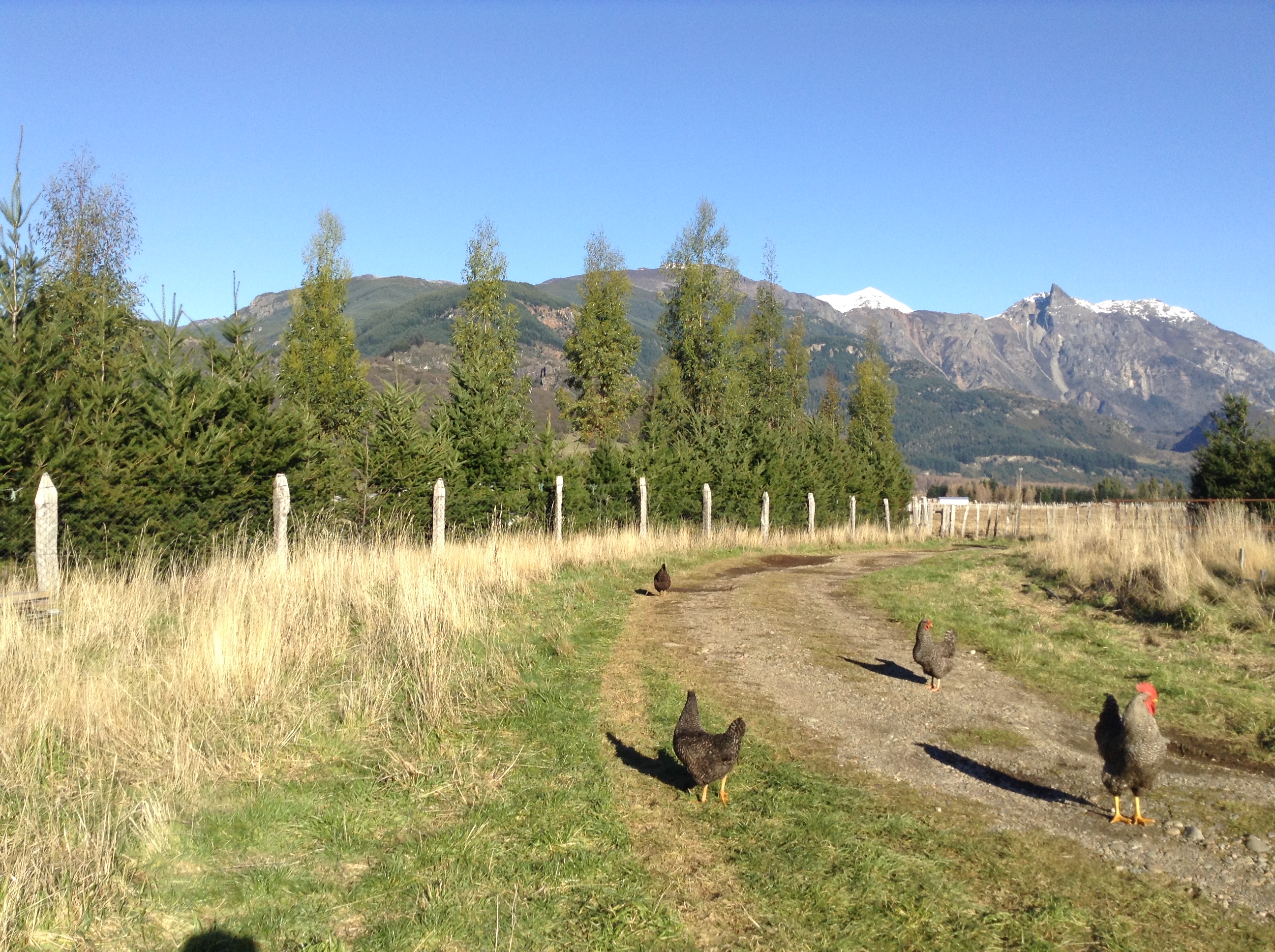
The production system at Fundo La Pampita, where pasture, forest and livestock coexist.